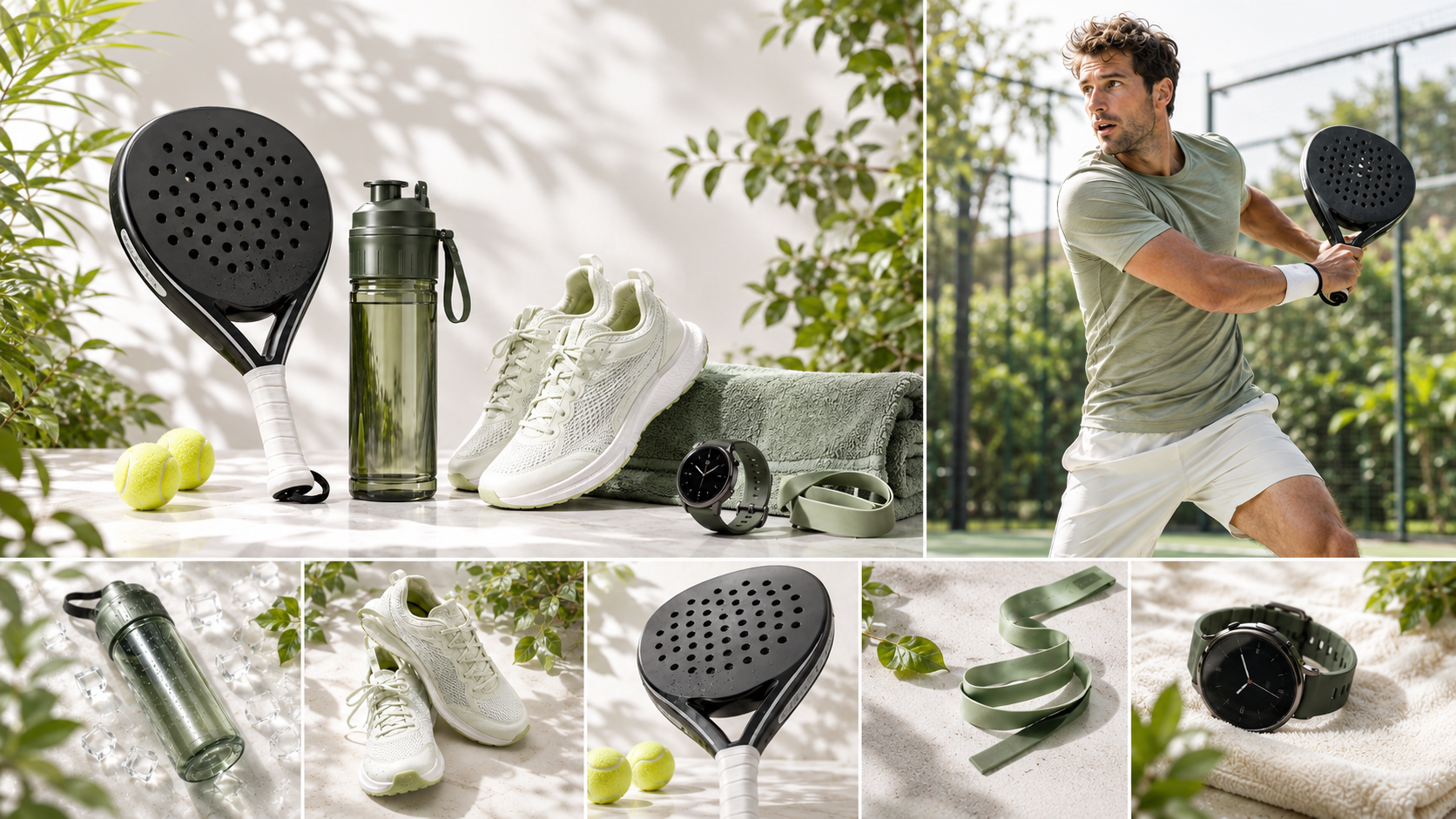
Sports and fitness products for Google Ads ecommerce campaigns
Sports & Fitness

Google Ads Management for
Sports & Fitness Ecommerce Brands

We help sports and fitness ecommerce stores capitalize on peak demand windows and convert high-intent buyers profitably, without blowing budget in the off-season.

Why Sports Is Different

Campaigns That Move with Your Market

Sports and fitness ecommerce operates on a fundamentally different rhythm to most other categories. Demand is driven by seasons, events, weather patterns, and cultural moments: January fitness resolutions, summer outdoor season, pre-marathon training windows. Brands that manage Google Ads without accounting for this spend heavily at the wrong times and miss the windows where buyers are actively ready to purchase. We build campaigns that move with your market.

The Challenges

What Makes Sports Ecommerce Hard to Get Right

Challenge 1

Seasonal Demand Swings That Can Make or Break Your Year

A sports ecommerce brand can see 300-400% swings in search demand between peak and off-peak periods. Most Google Ads setups treat this like background noise, running the same campaigns year-round and watching ROAS collapse in slow months. We build seasonal budget frameworks that scale aggressively into high-intent windows (New Year, spring training, pre-summer) and pull back strategically in low-demand periods, protecting profitability across the full year, not just in the good months.

Challenge 2

Broad Intent Searches That Waste Budget on Non-Buyers

Sports is full of informational searchers: people researching training plans, comparing techniques, or reading reviews, sitting right next to high-intent buyers. Without careful keyword architecture and negative keyword management, your budget funds research sessions instead of purchases. We build tightly themed ad groups that target transactional intent specifically, product-level searches, equipment comparisons with commercial intent, and brand + category combinations, while systematically excluding traffic that doesn't convert.

Challenge 3

Complex Catalogue with Equipment and Apparel in the Same Account

Sports ecommerce catalogues typically span wildly different product types: high-ticket equipment (bikes, treadmills, kayaks) and lower-ticket consumables (protein bars, socks, water bottles). These require completely different bidding strategies, campaign structures, and margin thresholds. Running them in the same campaign structure leads to budget misallocation where low-margin apparel cannibalizes spend from high-margin equipment. We segment your catalogue and manage each tier with the strategy it requires.

What We Do

Google Ads Management Built for Sports Brands

Our Google Ads approach for sports and fitness brands is built around seasonal precision and catalogue intelligence, making sure the right products get the right budget at the right time of year.

Service

Seasonal Campaign Architecture

We map your full year demand calendar using historical search trend data and your own sales data, and build campaign structures that flex budget automatically around peak windows. This means you're never caught underspending during a demand spike or burning budget in a trough.

Service

Shopping Feed Optimization for Sports Equipment

Sports product feeds are often poorly optimized, missing key attributes like sport type, size ranges, or compatibility information that buyers use to filter results. We audit and rebuild your feed to improve match quality and reduce wasted spend on irrelevant queries.

Service

High-Ticket Equipment Campaigns

For products over $200, the buying journey is longer and requires a different approach. We build dedicated Search campaigns targeting high-intent equipment queries with ad copy and landing page alignment that supports considered purchase decisions, combined with remarketing sequences that stay visible through the research phase.

Case Study

Real Results in Sports Ecommerce

42.4%
Revenue Increase Year-on-Year

Gjertsen Sport

Gjertsen Sport is a Norwegian sports retailer with a wide catalogue spanning outdoor equipment, team sports, and fitness. When they came to us, their Google Ads were generating inconsistent results with poor visibility into what was actually driving profitable growth. In October 2025, we restructured their campaigns around profit tracking and seasonal demand management, delivering +36% tracking rate improvement and +42% revenue growth year-on-year, while scaling spend confidently and profitably.

See All Case Studies
Profit First

Why POAS Matters in Sports Ecommerce

Sports ecommerce margins vary enormously across catalogue: a 60% margin on branded apparel sits alongside a 12% margin on commodity equipment. ROAS treats both the same. POAS doesn't. By optimizing to profit rather than revenue, we ensure your Google Ads budget flows toward the products that grow your business, not just the ones that generate the most clicks.

FAQ

Frequently Asked Questions

We build a 12-month demand calendar for your business using Google Trends data, your historical sales, and category search volume patterns.

From this we create a budget and bidding framework that scales into your top demand windows, typically January, pre-summer, and back-to-school, and dials back in slower periods. This prevents the common pattern of overspending in flat months and being underfunded when real demand hits.

Both have a role, but the right mix depends on your catalogue and budget. Performance Max works well for established brands with strong conversion data and a diverse product range, finding buyers across Google's full network.

Standard Shopping gives more control over which products show for which queries, which is valuable for managing high-ticket equipment separately from lower-margin accessories. We typically run both in a structured hierarchy, not one or the other.

B2C and B2B buyers have different intent signals, search behaviour, and purchase thresholds. We separate them structurally with dedicated campaigns targeting B2B signals (bulk orders, club or team purchasing, wholesale queries) managed independently from consumer campaigns.

This prevents B2C click volumes from masking weak B2B performance and allows separate POAS targets for each customer type.

Yes, but the strategy differs from high-ticket equipment. Lower-ticket products need higher conversion volumes to hit POAS targets, which means tighter keyword targeting and heavier reliance on Shopping campaigns with well-optimized feeds.

We also build remarketing and repeat purchase campaigns for consumables, protein supplements, training accessories, and replacement parts, where the real value is customer lifetime spend, not single-order margin.

Is Your Sports Brand Ready to Win the Peak Season?

Your competitors are already planning their peak season campaigns. A free audit from Evensen Marketing will show you exactly where your current Google Ads are leaving money on the table and what a profit-first approach would look like for your catalogue.

Get a Free Audit